Green Initiatives: How E-Waste Recycling Services Are Protecting Our Planet
Electronic waste presents serious dangers to the environment, as discarded electronics often contain toxic materials. These toxic materials have the potential to taint soil and water sources, leading to broader ecological damage. E-waste recycling initiatives provide a practical answer. They successfully retrieve useful resources while simultaneously minimizing environmental pollution. Gaining insight into how these programs function and affect local communities is critical. The journey towards effective e-waste management raises critical questions about individual responsibility and collective action. What actions should be considered going forward?
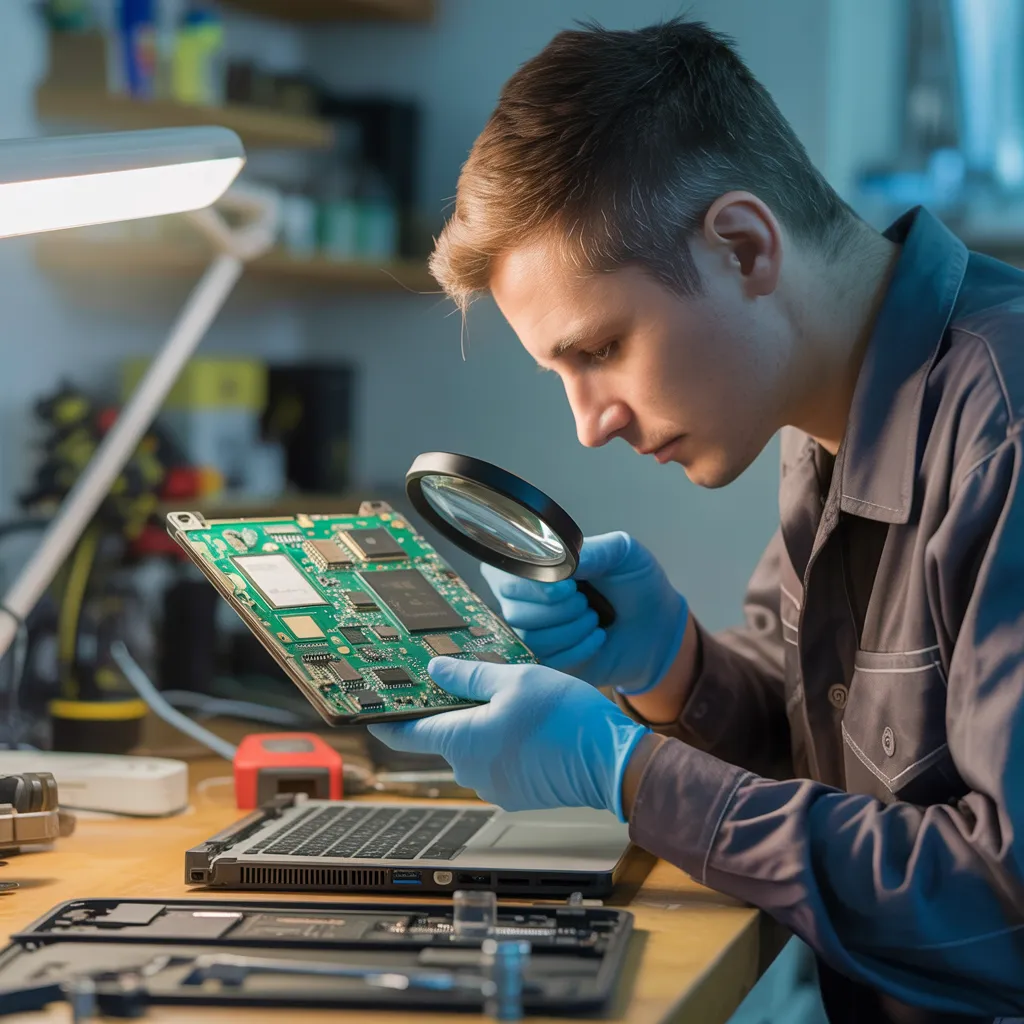
The Reasons E-Waste Is Damaging to the Planet
Although technology enhances our daily lives, electronic waste presents serious threats to the environment. Disposed electronic equipment, frequently composed of dangerous compounds like mercury, lead, and cadmium, are capable of seeping pollutants into the surrounding soil and water supply, presenting dangers to human health and ecosystems. The accelerating rate of technological innovation results in greater consumer replacement of electronic devices, exacerbating the accumulation of electronic waste.
Landfills, already burdened with waste, struggle to accommodate the growing volumes of discarded gadgets. Burning, an alternative disposal approach, discharges toxic contaminants into the air, worsening overall air quality. Moreover, poor recycling procedures can cause e-waste to be sent to developing regions, where employees may disassemble electronics without sufficient safety precautions, leaving them vulnerable to harmful substances. This ongoing cycle of carelessness and inadequate management emphasizes the pressing necessity for responsible recycling initiatives that can lessen the harmful consequences of e-waste on our world.
What Is E-Waste and Why Does It Matter?
E-waste, also referred to as electronic waste, comprises discarded electronic devices such as computers, smartphones, and televisions that are no longer functional or needed. This increasingly prevalent form of waste is important owing to its accelerating volume, driven by technological advancements and consumer trends. With an increasing number of devices reaching obsolescence, the ecological consequences become more pronounced, with toxic materials such as lead, mercury, and cadmium threatening both ecosystems and public health.
The significance of tackling e-waste extends beyond minimizing these risks to recognizing the valuable resources it holds. Precious metals and rare earth elements can be recovered and reused, reducing the need for mining and conserving natural resources. By understanding e-waste and its implications, individuals and organizations can make informed decisions about disposal and recycling, ultimately contributing to a more sustainable future. Responsible management of e-waste plays a key role in supporting a circular economy and championing environmental stewardship.
How E-Waste Recycling Works
The recycling of e-waste encompasses a structured approach intended to extract beneficial components while reducing harm to the environment. At the outset, electronic waste is gathered and delivered to specialized recycling facilities. After reaching the facility, the devices undergo thorough sorting to distinguish harmful elements from reusable resources.
Following this, specialists break down the items, separating plastics, metals, and Explore now glass. This process is vital, as it makes possible the retrieval of precious metals like copper, gold, and silver, which are repurposed in new electronic products.
Next, the sorted materials are refined using advanced techniques, such as shredding and chemical treatments, to refine them for reuse.
Ultimately, the leftover dangerous materials are managed properly, complying with environmental regulations. This systematic method not only saves important resources but also mitigates the risks associated with irresponsible electronic waste disposal, ensuring a more sustainable future for the consumption of electronics.
Benefits of E-Waste Recycling for You and Your Community
While many individuals may not realize it, the benefits of e-waste recycling go far beyond individual benefit and actively shape entire communities. By carefully processing electronic waste, individuals play a role in creating a cleaner environment, reducing toxic components that can leach into soil and water. This forward-thinking practice actively safeguards local ecosystems and promotes public health.
Additionally, electronic waste recycling supports job creation within communities. Community recycling operations commonly require workers for diverse activities, including collection and processing, thus generating valuable job opportunities for community members. This not only stimulates the local economy but also promotes community participation in sustainable initiatives.
In addition, understanding of e-waste recycling has the potential to generate learning opportunities, enabling residents to adopt eco-friendly choices. By enrolling in e-waste recycling programs, individuals promote a culture of sustainability, motivating others to do the same. Overall, the cumulative impact of these actions can create a more resilient and environmentally responsible community.
A Guide to Selecting an E-Waste Recycling Service
Picking the best electronic waste recycling provider is vital for making sure that e-waste is processed responsibly and sustainably. To begin, individuals should confirm the service's credentials, such as R2 or e-Stewards, which demonstrate conformance to industry standards for responsible recycling methods. Additionally, it is advisable to evaluate the organization's credibility by reviewing feedback and looking for referrals from reliable sources.
Next, transparency in the recycling process is vital. A trustworthy provider should provide clear information about the way e-waste is handled and what happens to the materials. Additionally, evaluating the range of services offered can be beneficial; certain providers may offer collection services or present rewards for recycling.
Furthermore, familiarizing yourself with local regulations regarding e-waste disposal can help inform the evaluation process. By taking these elements into account, residents can actively participate in responsible e-waste disposal alongside encouraging sustainable environmental efforts.
Ways You Can Participate in E-Waste Recycling?
Getting involved with e-waste recycling can start at the local level, where local recycling facilities often provide essential services for safe disposal. Additionally, joining community awareness campaigns can strengthen efforts to inform others regarding the importance of proper e-waste handling. Such efforts not only encourage sustainable practices but also foster a collective sense of responsibility toward the environment.
Community Recycling Locations
Numerous local recycling centers fulfill a critical purpose in electronic waste recycling, offering communities convenient opportunities to discard electronic waste in an eco-friendly way. These hubs welcome a selection of electronic items, including aging computers, cell phones, and television sets, verifying that toxic materials are disposed of safely. The majority of facilities employ knowledgeable personnel who support individuals in understanding proper disposal practices, underscoring the benefits of recycling compared to landfilling. Furthermore, various hubs coordinate scheduled drop-off occasions or specific collection dates, making it easy for residents to participate. Through the use of these community services, individuals contribute to a circular economy, decreasing environmental damage and advancing sustainable approaches. Connecting with these stations allows communities to address e-waste pollution proactively.
Community Outreach Campaigns
Local organizations, schools, and businesses can work together to organize events that support e-waste collection drives. Volunteers can play a pivotal role in raising awareness, sharing informational resources, and connecting with local residents. By means of these joint initiatives, residents become more informed and motivated to recycle their electronic waste, thus playing a meaningful role in creating a more environmentally responsible future.
Questions We Often Receive
What Kinds of Electronics Can Be Recycled?
A wide range of electronics may be recycled, including computers, smartphones, televisions, laptops, gaming consoles, and printers. In addition, ancillary devices such as keyboards, mice, and batteries are well-suited for recycling, supporting environmental conservation efforts.
Is There a Cost Associated With E-Waste Recycling?
Indeed, e-waste disposal may involve charges, based on the facility. Certain providers apply costs for collection or processing, while others make services available at no charge, frequently supported by the sale of reclaimed components.
How Do Businesses Gain From E-Waste Recycling?
Businesses can benefit from e-waste recycling by reducing disposal costs, improving their green reputation, meeting compliance standards, recovering valuable materials, and potentially generating revenue through resale, thus supporting a greener and more sustainable operational framework.
What Happens to Data on Recycled Devices?
Data regarding refurbished electronics is often irretrievably wiped or destroyed during the refurbishment process. This confirms sensitive information is kept safe, preventing unauthorized access while permitting materials to be repurposed carefully and ethically across new manufacturing processes.
Is It Possible to Recycle Damaged Electronics?
Absolutely, broken electronics can be recycled. Many centers accept damaged devices, providing proper disposal and recovery of precious materials. Doing so helps reduce the environmental footprint while encouraging eco-friendly recycling methods to manage e-waste effectively.